
Eye Exams
Comprehensive Eye Exams
in Hope Mills & Eastover, NC
A yearly eye exam is recommended for all ages, even if you have generally good vision. Adult eye exams can help you stay current with your prescription and help your eye doctors detect any eye diseases or vision problems. Your eye health is just as important as the rest of your body’s health, and it is important that it is treated that way.
You may think you see just fine, However, it is important to be examined by a professional in order to make sure your vision is optimal for driving and other tasks that may be potentially dangerous if you don’t have good vision. Some reasons you should consider scheduling an eye exam with an eye doctor include:
- Vision correction
- Keep prescriptions up to date
- Protect yours and your child’s eye health
- Eye exams can detect other health problems
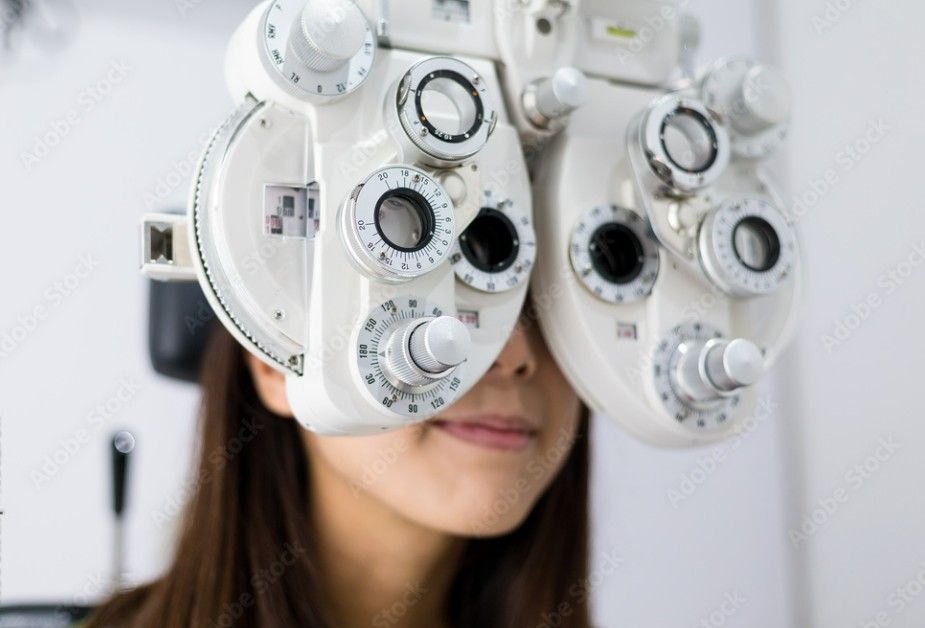

What to Expect During a Comprehensive Eye Exam
A comprehensive eye exam looks at more than how clearly you can read an eye chart. Your optometrist will evaluate your vision, check how well your eyes work together, and look for signs of conditions that could affect your eye health.
Depending on your age, vision needs, symptoms, and health history, your eye exam may include:
- Visual acuity testing to measure how clearly you see at different distances
- Refraction testing to determine whether your glasses or contact lens prescription has changed
- Evaluation of eye focusing, movement, alignment, and coordination
- Examination of the internal and external structures of the eyes
- Eye pressure testing when appropriate
- Pupil dilation when a closer look at the retina and optic nerve is needed
- A discussion of your results and recommendations for any follow-up care
- If you need vision correction, we can also discuss options for prescription eyeglasses or contact lenses based on your individual needs.
Who Should Schedule an Eye Exam?
Eye exams are important for people of all ages, even when vision seems clear. Changes in eyesight can happen gradually, and some eye health concerns may develop before noticeable symptoms appear.
You may want to schedule an eye exam if:
- Your vision has become blurry at a distance or up close
- Your current glasses or contact lens prescription no longer feels comfortable
- You frequently experience eye strain, headaches, or trouble focusing
- You have difficulty seeing while driving, especially at night
- Your eyes often feel dry, irritated, red, or uncomfortable
- Your child is squinting, sitting close to screens, or having trouble seeing classroom materials
- You wear contact lenses and need an updated prescription or evaluation
- You have a personal or family history that may increase your risk for certain eye conditions
- It has been a while since your last comprehensive eye exam
Your optometrist can recommend an eye exam schedule based on your age, health, vision, and individual risk factors.

The Importance of Eye Exams
The importance of eye exams goes far beyond correcting blurry vision and other seemingly simple vision problems. Here are a few reasons as to why it is important to visit an eye doctor and have annual eye exams done:
- Increase in cases of myopia: Children are developing myopia, more commonly known as nearsightedness, at an alarming rate as of recent years. Not only are more children developing nearsightedness, but it is happening at an earlier age. Children who do develop myopia at an early age are prone to more serious eye conditions down the road, such as cataracts and glaucoma.
- Glaucoma: Glaucoma often develops without noticeable symptoms in its early stages. Regular comprehensive eye exams can help identify signs of glaucoma and other eye diseases before significant vision changes occur.
- Eye exams may reveal signs related to your overall health: It is very common for people to first find that they have serious health problems such as diabetes and high blood pressure through eye exams. During an in-depth eye exam, an eye doctor will evaluate the health of the blood vessels in your retina, which are a good indication of the condition of the other blood vessels throughout your body.
Experienced Eye Care for Local Families
Professional Eye Care Optometry PA has been caring for patients in the area since the Hope Mills practice opened in 1993. Today, our optometrists serve patients from both our Hope Mills and Eastover locations with a focus on thorough examinations, personalized recommendations, and comfortable eye care for the entire family.
Whether you need a routine vision check, an updated prescription, contact lens care, or evaluation of a new vision concern, our goal is to help you understand your eye health and make informed decisions about your care.

Frequently Asked Questions About Comprehensive Eye Exams
How long does a comprehensive eye exam usually take?
A comprehensive eye exam commonly takes about 45 to 90 minutes, depending on the testing needed and whether your eyes are dilated. Some appointments may be shorter or longer based on your vision needs and eye health.
Do they dilate your eyes during a comprehensive eye exam?
Dilation may be included as part of a comprehensive eye exam when your optometrist needs a better view of the retina, optic nerve, and other structures inside the eye. Whether dilation is recommended can depend on your age, symptoms, health history, and individual risk factors.
What is the difference between an eye exam and a comprehensive eye exam?
A basic vision check may focus mainly on how clearly you can see. A comprehensive eye exam evaluates both your vision and your overall eye health. It may include visual acuity testing, prescription testing, eye pressure measurement, evaluation of eye movement and coordination, and examination of the internal and external structures of your eyes.
What should I expect during a comprehensive eye exam?
Your optometrist will review your vision concerns and health history and perform tests based on your individual needs. These may include checking your distance and near vision, evaluating your prescription, testing eye pressure, examining how your eyes work together, and looking at the health of the structures inside your eyes.
Does a comprehensive eye exam include refraction?
Refraction is commonly performed when your optometrist needs to determine whether you need glasses or contact lenses or whether your current prescription has changed. The exact testing performed during your visit will depend on your individual vision and eye health needs.
How much is a comprehensive eye test?
The cost of an eye exam can vary depending on your insurance coverage, the type of examination, and whether additional testing is needed. Contact Professional Eye Care Optometry PA before your appointment if you have questions about insurance coverage or expected out-of-pocket costs.
What should I bring to my eye exam?
Bring your current eyeglasses and contact lenses, a list of medications you take, your insurance information, and any questions or concerns you would like to discuss with your optometrist. If your eyes may be dilated, bringing sunglasses is also a good idea because your eyes may be more sensitive to light afterward.
Can I drive home after a dilated eye exam?
Dilation can temporarily cause blurry vision and increased sensitivity to light. Because these effects can make driving difficult, it is a good idea to arrange for a friend or family member to drive you home if your eyes will be dilated.
What should I not do before an eye exam?
Unless our office gives you specific instructions, there is usually no need to make major changes to your normal routine before an eye exam. Do not stop medications or change how you use your contact lenses without instructions from your doctor. Bring your current eyewear and medication information so your optometrist has an accurate picture of your vision needs and health history.
Who should get a comprehensive eye exam?
Comprehensive eye exams are important for people of all ages. How often you should be examined depends on factors such as your age, vision, overall health, family history, and risk for eye disease. People with conditions such as diabetes or high blood pressure, or those at increased risk for certain eye diseases, may need more frequent examinations.

Contact Our Eye Doctor Today to Schedule an Exam!
At Professional Eye Care - Optometry PA, we offer quality eye care products and services to families throughout the greater Fayetteville, NC area. Our personalized services are affordable, and our patients' health is our top priority.
Whether you are shopping for new frames or being treated for an eye condition, we give you the attention you deserve in a calm and comfortable environment. Whether you’re in need of an eye exam, contact lenses, or prescription eye glasses, we are here to help patients throughout Hope Mills, Eastover, Fayetteville, Spring Lake, Raeford, Stedman, Wade, Parkton, Fort Bragg, NC, and the surrounding areas.
Contact our eye care centers today to schedule an appointment!